Why Am I So Bloated I Look Pregnant? Real Causes & Relief
 Belly Care team
15 June 2026
7 min read
Belly Care team
15 June 2026
7 min read

That sudden, dramatic belly expansion that makes your waistband dig in and your clothes feel two sizes too small? It is real, it is physical, and you are definitely not imagining it. Severe abdominal bloating that makes you look pregnant is one of the most common gut complaints around, and in most cases it comes down to gas, constipation, or how your digestive system handles certain foods.
Once you understand what is driving it, you can start making targeted changes that actually help. Here is what is really going on and what you can do about it.
What is actually happening when you look visibly bloated
When your belly balloons out, the culprit is usually gas trapped in your small intestine and colon, not fat or water retention. According to the Cleveland Clinic, excess gas in the GI tract is the most common cause of a bloated stomach, and it can make your abdomen expand noticeably within minutes.
Here is something worth knowing: dramatic, pregnant-looking distension does not always mean you have huge volumes of gas. A review published in Gastroenterology and Hepatology found that many people with severe visible bloating actually have normal gas volumes. The real issue is a coordination problem between the diaphragm and the abdominal wall muscles, where the belly pushes outward instead of bracing against the pressure.
The distension is completely real and physical, just not always caused by what you would expect. Your belly can genuinely expand two to three inches in a short space of time, and that is not in your head.
Common patterns behind severe bloating
There is rarely one single cause. Usually a few things are happening at once, and identifying your personal combination is the key to finding relief.
Constipation and backed-up stool
When stool sits in your colon longer than it should, gas has nowhere to go. The backup creates pressure and visible swelling that can be surprisingly dramatic. If your bloating tends to ease after a bowel movement, constipation is likely playing a role.
High-FODMAP foods
FODMAPs are fermentable carbohydrates that some guts struggle to absorb properly. Onions, garlic, wheat, apples, and certain legumes are common culprits. When these reach your colon undigested, bacteria ferment them and produce gas. The Mayo Clinic identifies carbohydrate intolerance and FODMAP sensitivity as one of the leading causes of chronic bloating.
Eating too fast or too much
Rushing through a meal means swallowing more air, and it also means your digestive system gets overwhelmed before it can keep pace. Large meals stretch the stomach and ramp up gas production. Smaller, slower meals make a surprisingly big difference for many people.
Carbonated drinks and artificial sweeteners
Fizzy drinks introduce gas directly into your gut. Sugar alcohols like sorbitol and xylitol, found in many diet products and chewing gums, ferment in the colon and feed the exact bacteria that produce bloating gas.
Food sensitivities
Lactose intolerance, non-coeliac gluten sensitivity, and other food triggers can cause inflammation and gas that make bloating severe. Reactions are often delayed by 12 to 24 hours, so it is not always obvious which food is the problem.
Stress and eating on the go
Your gut has its own nervous system, and it is deeply connected to your brain. When you are anxious or rushing through a meal, your body is not in rest-and-digest mode, and digestion suffers. Many people find their worst bloating days line up with their most stressful ones.
A note for anyone with a uterus: endo belly
If your bloating is cyclical, severe, and tied to your period, it is worth knowing about endo belly. Endometriosis can cause extreme abdominal bloating so pronounced that people describe looking visibly pregnant. Spire Healthcare explains that the inflammation and fluid retention from endometriosis typically worsen before and during menstruation. If this sounds familiar, it is worth raising with your GP.
How to track and find your personal triggers
Generic advice only gets you so far. What causes severe bloating in one person might have zero effect on another, so finding your own triggers is genuinely the most useful thing you can do.
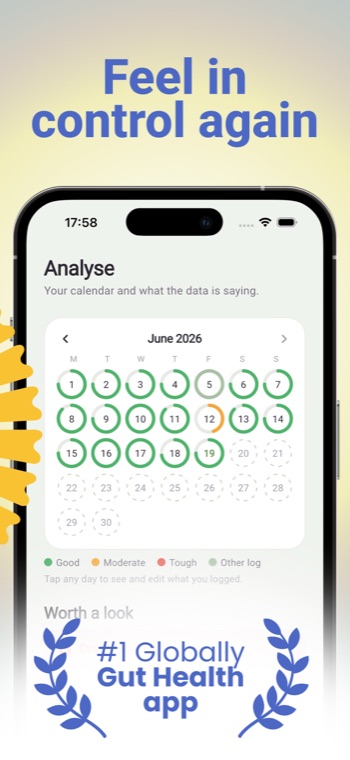
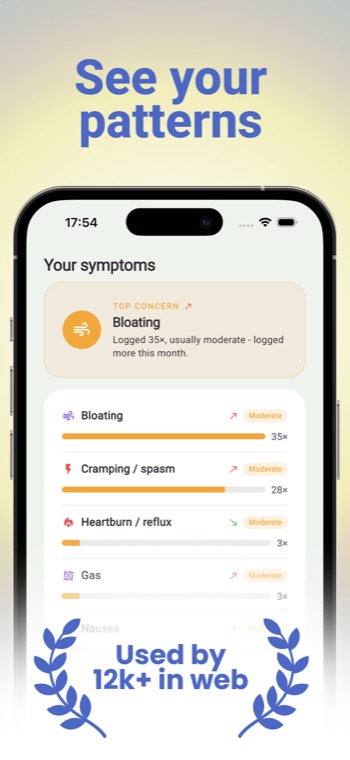
Start logging what you eat, when you eat it, your stress level, and when bloating appears. Patterns tend to emerge within about a week. Belly Care is built exactly for this, helping you connect the dots between meals, mood, and symptoms so you can spot your personal triggers in seven days rather than guessing for months.
Pay attention to the time of day your bloating peaks. Morning bloating often points to the previous evening's meal or constipation building overnight. Afternoon bloating might be lunch-related or tied to a mid-morning snack.
The Bristol Stool Scale is a handy tool here too. Logging your stool type helps you spot constipation patterns before they escalate into a full bloating episode. Belly Care includes the Bristol scale so you can track this alongside your meals without it feeling clinical or awkward.
Also note your mood and stress levels. Anxiety genuinely worsens bloating, and seeing that pattern in your own data can be surprisingly motivating.

Practical steps to reduce visible bloating
These are not magic fixes, but they are evidence-aligned habits that many people find genuinely helpful. Try a few at a time rather than overhauling everything at once.
- Eat slowly and chew thoroughly. Smaller bites mean less swallowed air and easier digestion. Try putting your fork down between mouthfuls.
- Stay hydrated. Dehydration worsens constipation, which amplifies gas buildup. Sipping water consistently through the day is more effective than drinking large amounts at once.
- Move after meals. A 10-minute walk after eating can help gas move through your system and reduce that tight, distended feeling. Gentle movement is consistently recommended as one of the simplest ways to get relief.
- Try abdominal massage or yoga poses. Child's pose, wind-relieving pose, and gentle clockwise abdominal massage can help shift trapped gas. They feel a bit silly, but they work.
- Limit carbonated drinks and sugar alcohols. Swap fizzy drinks for still water or herbal tea, and check ingredient labels for sorbitol, xylitol, mannitol, and maltitol.
- Add soluble fibre gradually. Fibre supports gut motility and reduces constipation-related bloating, but adding too much too fast can make things worse. Increase slowly over a few weeks.
- Consider a short-term low-FODMAP trial. The evidence for this approach in IBS-related bloating is solid, but it works best as a structured, time-limited experiment with a reintroduction phase, ideally with a dietitian's guidance.
Why tracking matters more than generic advice
Most bloating advice online is written for an average person who does not exist. Your digestion is shaped by your microbiome, your stress patterns, your hormones, your food habits, and dozens of other factors that are unique to you.
What works brilliantly for someone else might do nothing for you, or even make things worse. That is not a failure; it is just how individual gut health is. The only way to cut through the noise is to collect your own data.
Patterns are almost always invisible until you see them written down over a week or two. A food you eat every day might be the culprit, but you would never suspect it without the data. Small, targeted tweaks based on your own patterns tend to work far better than wholesale diet overhauls. Belly Care helps you build that picture by logging meals, symptoms, stress, and bowel habits in one place, so the patterns become clear rather than guesswork.
The experience of looking visibly bloated is distressing and disruptive, and you deserve more than vague advice to eat less wheat. Your data tells a much more specific story.
When to see a doctor
Most bloating is functional and manageable with lifestyle changes, but some patterns need professional attention. Please do not put off seeing your GP if any of these apply to you.
- Bloating that is severe, persistent, or getting progressively worse
- Bloating accompanied by significant abdominal pain
- Unexplained weight loss alongside bloating
- Blood in your stool, or very dark, tarry stools
- Feeling full very quickly after starting a meal
- Bloating with fever, vomiting, or nausea that does not resolve
- A sudden change in your usual bloating pattern
- Cyclical, severe bloating with painful periods, as this may point to endometriosis
Your doctor can rule out conditions like IBS, coeliac disease, SIBO, endometriosis, and in rare cases, more serious causes. It is always worth getting checked when bloating is new, severe, or accompanied by other symptoms. Catching something early is always better than waiting.
Bloating that makes you look pregnant is uncomfortable, frustrating, and often embarrassing, but it is also something most people can get on top of with the right information and a bit of patience. Start with the basics, track your patterns, and give your gut a chance to show you what it needs.
Find your own gut patterns
Belly Care turns a few honest minutes a day into a clear picture of what's linked to how you feel — bloating, IBS, energy and mood.
Download on the App StoreSources
- Bloated stomach - Cleveland Clinic
- Understanding and managing chronic abdominal bloating and distension - Mayo Clinic
- Abdominal bloating and distension - PMC / Gastroenterology and Hepatology
- What is endo belly and how can you manage it - Spire Healthcare
- Endo belly - Healthline
- Why am I bloated - MyOBGYN Vegas
- Understanding why am I so bloated I look pregnant - With Power
- Bloat or pregnant - Kin Fertility
Belly Care helps you observe patterns and build healthy habits — it doesn't diagnose or treat any condition. The patterns it surfaces are starting points to explore, not medical advice. For persistent symptoms, please see a doctor.
Frequently asked questions
Can bloating really make you look pregnant? How much can your belly actually expand?
Yes, absolutely. Bloating can cause your abdomen to expand by two to three inches in a short space of time, creating a visibly rounded belly that resembles a pregnancy bump. This is a real, physical change caused by trapped gas or altered muscle coordination in the abdominal wall, not imagination. It is one of the most common GI complaints and affects people of all genders and body types.
Is severe bloating a sign of IBS or a food intolerance?
It can be. IBS is one of the leading causes of chronic, severe bloating, with over 70% of people with IBS reporting it as a key symptom. Food intolerances, particularly to lactose, fructose, and high-FODMAP foods, are also among the most common causes. That said, bloating has many possible causes, so it is worth tracking your symptoms and seeing a doctor if bloating is persistent, painful, or accompanied by other symptoms like unexplained weight loss or blood in your stool.
How long does it take to see relief from bloating after changing your diet?
Many people notice some improvement within a few days of removing a key trigger food or slowing down at meals. A structured low-FODMAP trial typically shows meaningful results within two to four weeks. Everyone's gut responds differently, and some changes, like gradually increasing fibre or addressing constipation, take a few weeks to show their full effect. Tracking your symptoms helps you see progress that might otherwise go unnoticed.
Why does bloating happen more at certain times of day or after specific meals?
Timing gives you useful clues. Morning bloating often reflects the previous evening's meal or constipation building overnight. Bloating that peaks in the afternoon may relate to lunch or a mid-morning snack. Some foods cause delayed reactions 12 to 24 hours after eating, which is why the connection is not always obvious. Hormonal shifts across the menstrual cycle can also make bloating worse at predictable times. Logging the time of day alongside meals and symptoms is one of the fastest ways to spot these patterns.