 Belly Care
Your gut microbiome is the vast community of bacteria, fungi, viruses and other microbes living inside your digestive tract. Far from being invaders, these trillions of tiny organisms are a core part of how your body works, influencing everything from digestion and immunity to mood and metabolism.
Research is still uncovering just how much this inner ecosystem shapes our health, but the broad picture is clear: a diverse, well-fed microbiome is linked to better health outcomes across the board. Here is what you actually need to know.
What exactly is your gut microbiome?
Think of your gut as a densely populated city. Hundreds, sometimes over a thousand, different bacterial species live there alongside fungi, bacteriophages (viruses that infect bacteria) and other microbes. The largest population is in your colon, where conditions are ideal for microbial life.
One of the most striking things about the microbiome is how personal it is. Foundational research published in the United European Gastroenterology Journal established that each person's microbial fingerprint is shaped by their diet, environment, early life experiences and even how they were born. No two microbiomes are identical.
The collective genetic material of your gut microbes, sometimes called the microbiome "metagenome", contains millions of genes. That is vastly more than the roughly 20,000 to 25,000 genes in the human genome, which gives your microbiome an enormous range of metabolic capabilities your own cells simply do not have.
What does your microbiome actually do?
Your gut microbes are working constantly, and their job list is surprisingly long.
Breaking down fibre. Your digestive enzymes cannot break down many plant fibres on their own. Gut bacteria ferment these fibres and produce short-chain fatty acids (SCFAs) like butyrate, which feed the cells lining your gut and have anti-inflammatory effects throughout the body.
Supporting your immune system. Around 70% of your immune tissue sits in and around your gut. Your microbiome helps train immune cells to distinguish between harmless substances and genuine threats, which is central to immune balance.
Protecting against harmful bacteria. A healthy, diverse microbial community essentially crowds out pathogens, making it harder for harmful bacteria to take hold. This is partly why antibiotic use, which disrupts that community, can sometimes leave you vulnerable to infections like Clostridioides difficile.
Influencing metabolism. Key advances in gut microbiome research during 2025 highlighted how microbial metabolites, including SCFAs, secondary bile acids and compounds like trimethylamine N-oxide, can influence everything from how your body stores fat to your cardiovascular risk profile.
How your microbiome affects your digestion
If you have ever noticed that certain foods leave you bloated while others feel fine, your microbiome is likely part of the story. A diverse microbial community may help keep digestion running smoothly, while imbalances, sometimes called dysbiosis, are associated with symptoms like bloating, constipation, diarrhoea and IBS-like patterns.
Fibre is the key fuel here. Research summarised by News-Medical consistently shows that Western-style diets low in fibre and high in ultra-processed foods are linked to reduced microbial diversity and more pro-inflammatory profiles. Eating a wide variety of plant foods, on the other hand, tends to support a richer, more resilient microbiome.
The tricky part is that everyone responds differently. A food that works well for one person can trigger symptoms in another, depending on their unique microbial makeup. That is where tracking your meals and symptoms becomes genuinely useful. Belly Care lets you log what you eat and how you feel, so you can start spotting your own personal patterns rather than guessing.
The gut-brain connection: more than digestion
Here is something that surprises many people: your gut and brain are in constant two-way communication via a network researchers call the gut-brain axis. Your gut bacteria produce neurotransmitters including serotonin, and the vagus nerve carries signals directly between your gut and your brain.
This means stress and anxiety can genuinely shift your microbiome composition, and conversely, changes in your gut can influence your mood and stress response. Some research suggests that microbiome diversity may support mental wellbeing, though this remains an active area of research rather than settled science.
It is a reminder that gut health is not just about digestion. Sleep, stress management and movement all influence your microbiome, and your microbiome may influence all of them in return.
How to support (not "reset") your microbiome
You will see a lot of marketing around "resetting" or "repairing" your gut microbiome. The honest answer is that there is no quick reset button, but there are evidence-led habits that genuinely support a healthier microbial community over time.
Eat more varied plants
Aiming for 30 or more different plant foods per week, including vegetables, fruits, wholegrains, legumes, nuts and seeds, is one of the most consistently supported strategies for building microbiome diversity. Each plant brings different fibres and compounds that feed different microbial species.
If you are not sure where to start, Belly Care's guides on fibre and gut health walk you through how to gradually increase your intake without the bloating that can come from jumping in too fast.
Try fermented foods
Yogurt, kefir, sauerkraut, kimchi and kombucha all contain live microbes. Some people find these foods support their gut, and a well-designed trial found that a high-fermented-food diet increased microbiome diversity and reduced markers of inflammation. That said, effects vary between individuals.
Be thoughtful about supplements
Gut microbiome supplements, particularly probiotics, are a huge market. The evidence is more nuanced than the packaging suggests. Frequently asked questions on the microbiome from the Canadian Digestive Health Foundation make clear that certain probiotic strains can help in specific situations, such as reducing antibiotic-associated diarrhoea or easing some IBS symptoms, but broad claims about "fixing" your microbiome with a generic capsule are not well supported. Effects tend to be strain-specific, modest and often short-lived once you stop taking them. A food-first approach is the evidence-led starting point.
One bacterium worth knowing about is Akkermansia muciniphila. Large-scale microbiome research published in Nature has consistently linked it to leanness, better glucose control and improved gut barrier integrity. You can support it through diet, particularly by eating polyphenol-rich foods like berries and pomegranate, rather than relying on a supplement.
Look after your whole lifestyle
Regular movement, consistent sleep and managing stress all have measurable effects on microbiome composition. These are not optional extras; they are part of the same system.
Tracking what you eat and how you feel over time is one of the most practical things you can do. Belly Care's meal and symptom logging helps you connect the dots between your diet, lifestyle and gut patterns, so you are working with your own data rather than generic advice.
When to explore your microbiome more deeply
Persistent bloating, irregular bowel movements, cramping or changes in digestion that last more than a few weeks are always worth discussing with a doctor. These can have many causes, and a healthcare professional can help rule out conditions that need proper investigation.
There is also growing interest in the link between the microbiome and autoimmune conditions. Research into the gut microbiome and MS (multiple sclerosis), for example, has found differences in microbial composition between people with MS and healthy controls, though whether this is a cause, a consequence or both is still being worked out. Researchers at institutions like Fred Hutch are actively investigating how the microbiome interacts with immune conditions, and it is a space worth watching.
If you have an autoimmune condition or ongoing gut symptoms, a food and symptom diary is a genuinely useful tool to bring to your appointments. It gives your doctor real information rather than vague recollections, and it helps you notice patterns that might otherwise stay hidden.
The microbiome is one of the most exciting areas in health science right now, and new discoveries are arriving at pace. But the fundamentals, eating varied plants, managing stress, sleeping well and paying attention to how your body responds, remain the most reliable place to start.


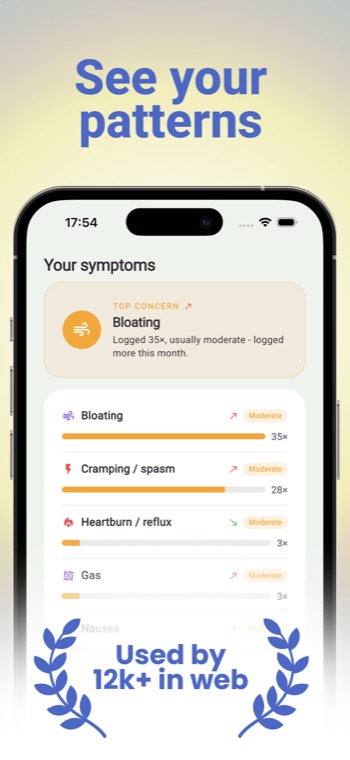
Find your own gut patterns
Belly Care turns a few honest minutes a day into a clear picture of what's linked to how you feel — bloating, IBS, energy and mood.
Download on the App StoreSources
- Key advances in gut microbiome research during 2025 - Gut Microbiota for Health
- Microbiome research collection - Nature
- Large-scale microbiome and health markers study - Nature
- Hot topics in gut microbiota - PMC / United European Gastroenterology Journal
- Microbiome condition overview - News-Medical
- Frequently asked questions on the microbiome - Canadian Digestive Health Foundation
- Microbiome research at Fred Hutch
Belly Care helps you observe patterns and build healthy habits — it doesn't diagnose or treat any condition. The patterns it surfaces are starting points to explore, not medical advice. For persistent symptoms, please see a doctor.
Frequently asked questions
Can you actually 'reset' your gut microbiome, or is that marketing?
Mostly marketing. There is no evidence that any product or protocol wipes your microbiome clean and rebuilds it from scratch. What research does support is gradually shifting your microbiome composition over weeks to months through consistent dietary changes, particularly eating more diverse plant foods and fibre. Think of it as nurturing rather than resetting. If you have taken antibiotics or had a gut illness, your microbiome can recover, but it takes time and the right conditions, not a quick-fix cleanse.
Do gut microbiome supplements really work?
It depends on the supplement and what you are hoping it will do. Certain probiotic strains have solid evidence behind them for specific situations, such as reducing antibiotic-associated diarrhoea or easing some IBS symptoms. But generic gut health supplements with broad claims are not well supported by research. Effects are usually strain-specific, modest and often fade once you stop taking them. Most experts recommend a food-first approach, with fermented foods and plenty of dietary fibre, before reaching for a supplement. If you are considering one for a specific condition, it is worth talking to your doctor or a registered dietitian first.
How long does it take to see changes in your microbiome?
Your microbiome can respond to dietary changes relatively quickly, sometimes within a few days, but meaningful, lasting shifts in composition tend to take weeks to months of consistent change. Short-term changes often revert if you return to old habits, which is why sustainable dietary patterns matter more than short bursts of eating well. Tracking your symptoms over time, rather than expecting overnight results, gives you a much more realistic picture of what is working for you.
Can your microbiome affect conditions like MS or autoimmune disease?
This is a genuinely active area of research. Studies have found differences in gut microbiome composition between people with MS and healthy controls, and similar patterns have been observed in other autoimmune conditions. The working theory is that the microbiome plays a role in regulating immune responses, and disruptions to that balance may contribute to immune dysfunction. However, it is still unclear whether microbiome differences are a cause, a consequence or both. If you have an autoimmune condition, it is worth discussing gut health with your specialist, but be cautious of anyone promising microbiome-based cures. The science is promising but still developing.