 Belly Care
Acid diarrhea is a term people use to describe loose, urgent, burning stools that feel different from a regular upset stomach. It is not a medical diagnosis on its own, but it is a pattern worth paying attention to, because your gut is usually trying to tell you something useful.
The causes range from how fast food moves through you, to stress, to a lesser-known condition called bile acid malabsorption that affects far more people than most realise. Understanding the difference can help you ask the right questions and find the right support.
What is acid diarrhea?
Most people describe it as watery or loose stools that come with a burning sensation, urgency, and sometimes a sour or acidic smell. It can feel sharper or more irritating than ordinary diarrhea, and it often arrives fast.
It is worth knowing that acid diarrhea can actually come from two very different places: stomach acid issues and bile acid issues. These get mixed up often, and the distinction matters.
Stomach acid vs. bile acid: an important difference
Stomach acid (hydrochloric acid) breaks down food in your stomach. Bile acids are made in your liver, stored in your gallbladder, and released into your small intestine to help digest fats. When bile acids are not reabsorbed properly in the small intestine, they spill into the colon, where they speed up transit and draw water into the gut, producing watery, urgent, acidic-feeling stools.
This condition, called bile acid malabsorption (BAM) or bile acid diarrhea (BAD), is a common and underdiagnosed cause of chronic watery diarrhea. Research suggests it may affect around 1 to 2% of the general population, and Cleveland Clinic notes that at least 30% of people diagnosed with functional diarrhea disorders may actually have BAM. That is a significant number of people walking around with the wrong explanation for their symptoms.
How stomach acid and digestion speed connect
Your stomach acid has a big job. It breaks down proteins, kills off unwanted bacteria, and sends signals to the rest of your digestive tract to get ready for incoming food. When that process is disrupted, things can go wrong further down the line.
If food moves through your stomach too quickly, it arrives in the small intestine only partially broken down. The small intestine then struggles to absorb everything properly, and the result can be looser, more acidic stools. This is sometimes called fast digestion diarrhea, and it is more common than people think.
Stress and the gut-brain axis
Stress is one of the biggest drivers of fast digestive transit. Your gut and brain are in constant conversation via the gut-brain axis, and when anxiety spikes, your nervous system can literally speed up your digestion. Many people notice a clear pattern between stressful days and looser stools once they start tracking both together.
Belly Care's mood and symptom logging makes it easy to start connecting those dots. Many users are surprised to see how reliably stress shows up in their gut data before they have even consciously registered feeling anxious.
A note on acid-reducing medications
Proton pump inhibitors (PPIs), which reduce stomach acid, are widely prescribed. They are helpful for reflux, but some people find they affect digestion in unexpected ways, including looser stools. If you are on a PPI and noticing acidic stools, it is worth mentioning to your doctor.

Your microbiome's role in acid diarrhea
Your gut is home to trillions of bacteria, and when that community gets out of balance, a state called dysbiosis, things can turn acidic quickly. Certain bacteria thrive in more acidic gut environments and produce gases and short-chain fatty acids as byproducts, which can contribute to loose, uncomfortable stools.
Undigested food, especially carbohydrates and fibre that ferment in the colon, feeds this process. The result is an acidic, gassy, loose output that many people describe as acid diarrhea. Research confirms that bile acid diarrhea is associated with altered stool microbiome composition, meaning the gut bacteria shift is both a cause and a consequence of the problem.
Antibiotics, sudden dietary changes, travel, or illness can all trigger dysbiosis symptoms. If your loose stools started after a course of antibiotics or a bout of food poisoning, that context is really useful information for your doctor.
The bile acid piece: don't overlook it
If your diarrhea is watery, urgent, frequent, and has been going on for more than a few weeks, bile acid malabsorption deserves serious consideration. A 2023 NIH review found that excess bile acids in the colon increase secretion and motility, accelerate colonic transit, and increase mucosal permeability, all of which produce exactly the kind of symptoms people describe as acid diarrhea.
BAD is not just a post-gallbladder-surgery problem, though that is a common misconception. It can occur without any obvious structural cause, and it overlaps heavily with IBS-D. Mayo Clinic research highlights that many patients with chronic watery diarrhea and normal colonoscopy results may still have BAD, and a normal structural test does not rule it out.
Diagnosis can involve fecal bile acid testing, a fasting serum C4 blood test, or a SeHCAT scan (available in some countries but not the US). If BAD is confirmed, treatment usually starts with bile acid sequestrants like cholestyramine or colesevelam, which bind excess bile acids in the gut. Emerging research is also exploring a gut hormone called INSL5 as a potential new piece of the puzzle, though this is still early-stage science.

Patterns to explore in your own data
One of the most practical things you can do right now is start logging. Note what you eat, when symptoms appear, your stress levels, and what your stools look like using the Bristol Stool Scale. Timing matters a lot here.
Does it happen 2 to 4 hours after eating, which might point to a stomach acid or transit issue? Or later, which could suggest fermentation or bile acid problems? Is it worse after fatty meals, coffee, or high-FODMAP foods like onions, garlic, or beans? Belly Care's meal and Bristol scale logging makes it easy to spot these patterns without keeping a paper diary.
Some patterns worth watching for:
- High-fat meals triggering urgency within a couple of hours (a classic bile acid pattern)
- Caffeine speeding transit and producing looser stools
- High-FODMAP foods fermenting and causing acidic, gassy output
- Stress spikes reliably followed by loose stools the same day
- Cyclical patterns linked to hormones, seasonal stress, or seasonal eating habits
Tracking meals and stools over time gives you something genuinely useful to bring to a doctor's appointment rather than just a vague description of a bad stomach.
Gentle patterns to try
These are not cures, but some people find them helpful while they are figuring out what is going on.
Slow down and chew properly
Chewing well gives your stomach acid more time to do its job before food moves on. It sounds simple, but eating quickly is one of the most common contributors to incomplete digestion and loose stools.
Watch your fibre intake
Fibre is generally great for gut health, but adding too much too fast can cause fermentation and acidic, loose output. Increase it gradually and track how your gut responds to find your personal sweet spot.
Be mindful of temperature extremes
Very hot or very cold drinks and foods can speed up gut transit in some people. Temporarily sticking to room-temperature or warm foods may help calm things down.
Manage stress actively
Because the gut-brain axis affects your digestion so directly, stress management is not just good for your mind. Even short daily practices like a 10-minute walk, breathing exercises, or reducing screen time before bed can make a measurable difference to gut symptoms over time.
Ginger tea and apple cider vinegar
Some people find ginger tea soothing for digestive discomfort, and a small amount of apple cider vinegar before meals is a popular folk remedy. The evidence is not strong for either, but they are low-risk to try if you are curious.
When to see a doctor
If your acid diarrhea has been going on for more than four weeks, please see a doctor rather than trying to manage it alone. Persistent watery, urgent diarrhea can have treatable causes, including bile acid malabsorption, that are easy to miss without proper testing.
Go sooner if you notice any of these:
- Blood in your stool, or black, tarry stools
- Unintentional weight loss
- Fever alongside diarrhea
- Severe or worsening abdominal pain
- Diarrhea that wakes you from sleep at night
- Signs of dehydration: dizziness, very dark urine, dry mouth, or weakness
- New diarrhea after age 50
- Symptoms that started after antibiotics, travel, or a hospital stay
- A family history of inflammatory bowel disease, colorectal cancer, or celiac disease
Your symptom log is genuinely valuable here. Mayo Clinic recommends that anyone with unexplained chronic diarrhea be evaluated for bile acid malabsorption, and arriving at your appointment with a clear record of stool frequency, urgency, meal timing, and any red-flag symptoms gives your doctor a much clearer picture to work from.
Tests your doctor might consider include fecal bile acid analysis, a fasting serum C4 blood test, a hydrogen breath test to check for SIBO, or stool analysis to rule out infection. A 2024 review confirms that BAD is often accompanied by urgency, occasional fecal incontinence, abdominal pain, and fatigue, so do not downplay those symptoms when you describe them.
Acid diarrhea is uncomfortable and disruptive, but it is rarely something you just have to live with. Understanding the pattern is the first step toward feeling better.


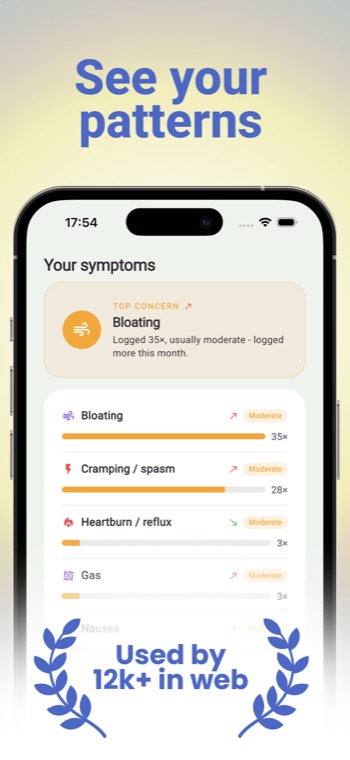
Find your own gut patterns
Belly Care turns a few honest minutes a day into a clear picture of what's linked to how you feel — bloating, IBS, energy and mood.
Download on the App StoreSources
- Bile acid diarrhea and stool microbiome composition (PMC, 2023)
- New developments in bile acid diarrhea (Mayo Clinic / Elsevier)
- Gut hormone INSL5 linked to chronic diarrhea in bile acid malabsorption (News Medical, 2025)
- Identifying diarrhea caused by bile acid malabsorption (Mayo Clinic)
- Bile acid malabsorption (Cleveland Clinic)
- Bile acid diarrhea: a 2024 review (ScienceDirect)
Belly Care helps you observe patterns and build healthy habits — it doesn't diagnose or treat any condition. The patterns it surfaces are starting points to explore, not medical advice. For persistent symptoms, please see a doctor.
Frequently asked questions
Is acid diarrhea a sign of IBS or something more serious?
It can be either, which is exactly why the pattern is worth exploring carefully. Acid diarrhea overlaps heavily with IBS-D, but research suggests that up to 30 to 50% of people diagnosed with IBS-D or functional diarrhea may actually have bile acid malabsorption, a separate and treatable condition. A normal colonoscopy does not rule it out. If your diarrhea is watery, urgent, and has lasted more than four weeks, ask your doctor about bile acid testing rather than assuming it is IBS. Tracking your symptoms and bringing that data to your appointment will help your doctor distinguish between the two.
Can stress really cause acidic, loose stools?
Yes, genuinely. Your gut and brain are connected via the gut-brain axis, and when anxiety or stress spikes, your nervous system can speed up digestive transit significantly. Food moves through faster, absorption is less complete, and the result can be loose, acidic-feeling stools. Many people notice this pattern clearly when they start logging mood alongside symptoms. Managing stress is not just good for your mental health; it can have a real, measurable effect on your gut.
What foods are most likely to trigger acid diarrhea?
The most common culprits are high-fat meals (which can trigger bile acid release and speed transit), caffeine, high-FODMAP foods like onions, garlic, beans, and wheat, and very spicy foods. Dairy can be a trigger if you have any degree of lactose intolerance. Adding too much fibre too quickly can also cause fermentation and acidic, loose output. Triggers vary a lot between people, which is why logging meals alongside symptoms is so useful for finding your personal pattern.
Should I take probiotics or reduce stomach acid if I have this pattern?
It depends on what is driving the pattern, which is why getting a clearer picture first is important. Some people find probiotics helpful for dysbiosis-related loose stools, but the evidence varies by strain and cause. Reducing stomach acid with over-the-counter antacids or PPIs is not usually the right move for acid diarrhea and can sometimes make things worse, particularly if bile acid malabsorption is involved. Speak to your doctor before starting or stopping any medication, and use symptom tracking to build a clear picture of your triggers before trying supplements.