Understanding Gut Inflammation: What's Happening Inside
 Belly Care team
8 May 2026
7 min read
Belly Care team
8 May 2026
7 min read

Gut inflammation is your immune system responding to irritation or damage in the lining of your digestive tract. It is a natural, protective process, but when it becomes chronic or persistent, it is a pattern worth paying attention to.
It is not a diagnosis in itself. Think of it as a signal your body sends when something inside needs attention. Because everyone's gut is different, the triggers, signs, and helpful changes vary a great deal from person to person.
What is gut inflammation, really?
When your gut lining encounters something it finds threatening, such as a pathogen, an irritant, or tissue damage, your immune system sends inflammatory cells to deal with it. Short-term, that is a good thing. It is how you recover from a stomach bug or a bad meal.
The issue arises when that response does not switch off. Research published in the Journal of Inflammation Research describes how chronic, low-grade gut inflammation is linked to conditions like inflammatory bowel disease (IBD), metabolic syndrome, and autoimmune diseases, often driven by shifts in the gut microbiome and a weakened gut barrier.
Your gut lining is protected by a layer of mucus, tight-junction proteins, and immune cells. When that barrier is compromised, bacterial products can leak into the bloodstream and trigger wider inflammation throughout the body. Scientists sometimes call this "metabolic endotoxemia," and it is an active area of research right now.
Common patterns that may trigger gut inflammation
There is no single cause, but research and clinical patterns point to a handful of common contributors worth knowing about.
Food and diet
Ultra-processed foods, high-fat meals, and low-fiber diets are consistently associated with pro-inflammatory changes in the gut microbiome. A detailed review in Frontiers in Microbiology explains how a diet low in fiber reduces the bacteria that produce short-chain fatty acids (SCFAs), compounds that actively calm gut inflammation. Fewer SCFAs means less protection for your gut lining.
That said, it is not as simple as eating more fiber and calling it done. Research from the Jill Roberts Institute at Weill Cornell found that inulin, a fermentable fiber often marketed as a prebiotic, can actually worsen gut inflammation in people with IBD or certain immune profiles. Context matters enormously here.
Stress, sleep, and the gut-brain axis
Your gut and brain are in constant two-way conversation via the gut-brain axis, a network of nerves, hormones, and immune signals. Chronic stress and poor sleep can shift your gut's immune response and alter your microbiome composition.
Some people notice their gut flares up during stressful periods even when their diet has not changed. That is not in their head. It is biology.
Microbiome imbalances
Your gut is home to trillions of microorganisms. When that community loses diversity, a state called dysbiosis, certain pro-inflammatory bacteria can expand. More recent immunological research shows how microbial imbalances activate immune receptors and drive inflammatory responses that can extend well beyond the gut, affecting the liver, joints, and brain.
Other common contributors
- Alcohol, even in moderate amounts, can irritate the gut lining in some people
- Regular use of NSAIDs such as ibuprofen is associated with increased gut permeability
- Gut infections, whether bacterial, viral, or parasitic, trigger acute inflammation that sometimes lingers
- Antibiotics can disrupt microbial balance, which may take weeks or months to recover
Signs your gut may be inflamed
Symptoms vary widely, which is one reason gut inflammation is so easy to overlook or misattribute. Some common patterns people notice include:
- Bloating, cramping, or persistent discomfort, especially after meals
- Changes in bowel habits: loose stools, constipation, or alternating between the two
- Brain fog, low mood, or anxiety, since the gut-brain axis works both ways
- Fatigue or low energy that does not improve with rest
- Nausea or a general sense of digestive unease
None of these on their own confirm gut inflammation. They are patterns worth tracking over time. Belly Care helps you log meals, symptoms, and bowel movements so you can start to see what is normal for you and what might be a recurring trigger.
Patterns worth exploring to reduce gut inflammation
There is no universal fix, but there are evidence-informed habits that many people find helpful. The key is figuring out which ones work for your gut.
Fiber-rich whole foods
Oats, leafy greens, legumes, and berries feed the SCFA-producing bacteria that help keep gut inflammation in check. A 2021 review in the European Journal of Clinical Nutrition found that diet is one of the most powerful modifiers of microbiome composition and gut inflammatory status. Gradual increases in fiber tend to work better than sudden large changes, especially if your gut is sensitive.
Omega-3 fatty acids
Fatty fish such as salmon, mackerel, and sardines, along with flaxseeds and walnuts, are good sources of omega-3s, which have well-documented anti-inflammatory properties. Some people find that adding these regularly makes a noticeable difference to their digestive comfort.
Probiotics and fermented foods
Columbia University researchers showed that a healthy microbiome encourages the production of IL-10, a potent anti-inflammatory molecule, through specific immune cells. Fermented foods like yogurt, kefir, kimchi, and sauerkraut introduce live bacteria that may support this process, though responses vary. Some people notice real improvements; others do not. Tracking your response over a few weeks is the most honest way to find out.
Hydration and stress management
Staying well hydrated supports the mucus layer that protects your gut lining. Managing stress, through whatever works for you, whether that is walking, better sleep, therapy, or breathing exercises, can reduce the gut-brain signals that keep inflammation ticking over.
Identifying your personal triggers
This is where generic advice runs out and personal data takes over. A food that is fine for one person can be a consistent trigger for another. Logging what you eat alongside how you feel, using something like Belly Care's meal and symptom tracker, helps you spot those individual patterns rather than guessing.
The role of your microbiome
Your gut microbiome does not just help you digest food. It actively regulates your immune system. Harvard Medical School research identified specific bile acid metabolites produced by gut bacteria that modulate inflammation-regulating immune cells. People with IBD had markedly lower levels of these protective compounds, and restoring them is now being explored as a potential treatment direction.
A diverse microbiome, fed by a wide variety of plant foods, tends to be more resilient and better at keeping inflammation in balance. The relationship between gut health and wider inflammation is one of the most active areas in medical research right now, with new findings emerging regularly.
Rebuilding microbiome diversity after disruption from antibiotics, illness, or a period of poor diet takes time, sometimes weeks, sometimes months. Tracking over that period helps you notice gradual progress that is easy to miss day to day.
When to see a doctor
Lifestyle changes and tracking are genuinely useful tools, but they are not a substitute for medical care when symptoms are serious or persistent. Please see a doctor if you notice:
- Symptoms that have lasted more than a few weeks without improvement
- Blood in your stool
- Severe or worsening abdominal pain
- Unexplained weight loss
- Fever alongside digestive symptoms
A doctor can rule out or diagnose conditions like IBS, Crohn's disease, ulcerative colitis, or celiac disease, all of which involve gut inflammation but require specific management. The symptom logs you build in Belly Care can be genuinely useful to bring to that appointment, giving your doctor a clearer picture of your patterns over time.
How tracking helps you spot your patterns
One of the most frustrating things about gut symptoms is how hard they are to pin down in the moment. You feel rough, but you ate three different things, slept badly, and had a stressful day, so what was it?
Logging consistently over even seven days starts to reveal connections. A meal that correlates with bloating two hours later. A run of poor sleep that precedes a difficult gut day. A stressful week that shows up in your bowel habits. These are patterns you simply cannot see without data.
The approach that tends to work best is changing one thing at a time, adding more fiber, cutting back on alcohol, or trying a probiotic food, and watching what shifts over two to three weeks. Belly Care is built around exactly this kind of gradual, evidence-informed self-discovery, using tools like the Bristol Stool Scale to make even the awkward stuff easy to log.
Your gut is unique. The patterns that matter are yours, and the clearer picture you build of them, the better placed you are to make changes that actually help.

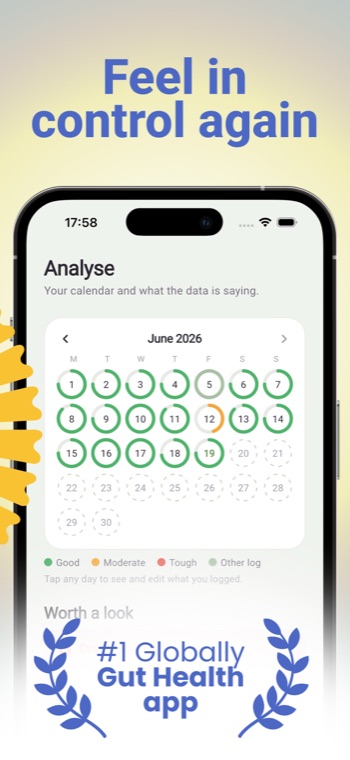
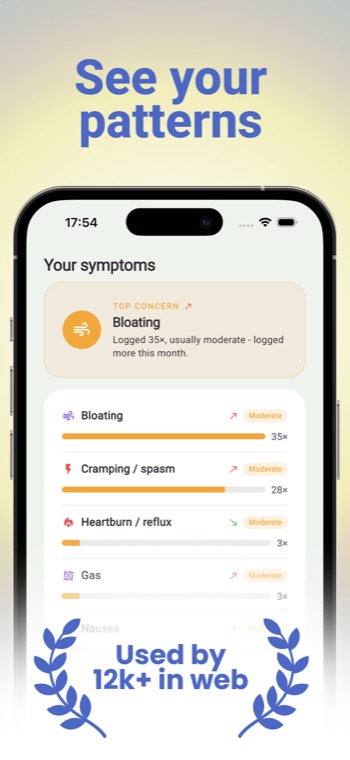
Find your own gut patterns
Belly Care turns a few honest minutes a day into a clear picture of what's linked to how you feel — bloating, IBS, energy and mood.
Download on the App StoreSources
- Countering gut inflammation — Harvard Medical School
- Gut microbiota and macrophage polarisation — Frontiers in Microbiology (2020)
- How a healthy microbiome reduces gut inflammation — Columbia University
- Gut microbiota and inflammation — PMC / Journal of Inflammation Research
- Jill Roberts Institute for Research in Inflammatory Bowel Disease — Weill Cornell
- Diet, microbiome, and gut inflammatory status — European Journal of Clinical Nutrition (2021)
- Gut microbiota and immunity — Frontiers in Microbiology (2023)
- Inflammation and gut health — Rupa Health
Belly Care helps you observe patterns and build healthy habits — it doesn't diagnose or treat any condition. The patterns it surfaces are starting points to explore, not medical advice. For persistent symptoms, please see a doctor.
Frequently asked questions
What is the difference between normal digestive discomfort and gut inflammation?
Normal digestive discomfort, like feeling full after a big meal or a little gassy after beans, is temporary and tied to a clear cause. Gut inflammation tends to be more persistent, recurring, or accompanied by other signs like fatigue, brain fog, or changes in bowel habits. The line is not always obvious, which is why tracking symptoms over time is so useful. If discomfort is frequent, worsening, or affecting your daily life, it is worth talking to a doctor.
Can probiotics really help reduce gut inflammation?
Some people do find that probiotic-rich foods or supplements improve their gut symptoms, and research shows that a healthy microbiome supports anti-inflammatory immune responses. But the evidence is not one-size-fits-all. The right strains, doses, and contexts matter, and individual responses vary a lot. Fermented foods like kefir, yogurt, and kimchi are a gentle place to start. Track how you feel over two to three weeks rather than expecting an immediate change.
How long does it take to see improvements if I change my diet?
It depends on the change and the person, but most research suggests microbiome shifts from dietary changes become noticeable within two to four weeks. Some people feel differences in bloating or energy sooner; deeper changes to microbial diversity take longer. The key is consistency and changing one thing at a time so you can tell what is working. Logging your meals and symptoms throughout makes it much easier to spot real progress.
Is gut inflammation the same as IBS or inflammatory bowel disease?
Not exactly. Gut inflammation is a process, the immune response happening in your gut lining. IBS involves gut symptoms but does not always show measurable inflammation on tests, and its causes are more complex. Inflammatory bowel disease, which includes Crohn's disease and ulcerative colitis, does involve significant, diagnosable inflammation and requires medical management. Gut inflammation as a general concept is broader than either condition. It can be mild and temporary, or it can underlie serious diagnoses. A doctor is the right person to tell you which applies to you.