 Belly Care
Sudden watery diarrhea is uncomfortable and, honestly, a little alarming when it hits out of nowhere. Most of the time it is short-lived and your body sorts itself out within a day or two, but if it keeps happening, your daily habits could be playing a bigger role than you think.
Stress, poor sleep, and changes to your routine can all loosen stools just as powerfully as a dodgy meal. Mayo Clinic notes that stress and anxiety sit alongside infections and food factors as common triggers for sudden diarrhea, so it is worth looking at the full picture, not just what you ate.
Why sudden watery diarrhea happens (beyond food)
Your gut is far more connected to your brain, your sleep, and your daily rhythm than most people realise. When any of those things shift, your digestion can shift too, sometimes within hours.
That said, infections are still the most common cause. A 2020 review in Therapeutic Advances in Gastroenterology found that viruses account for around 50 to 70% of acute infectious diarrhea episodes, with bacteria responsible for 15 to 20% and parasites 10 to 15%. If you have been around someone who was unwell, or you have eaten something risky, that is always worth considering first.
But when infections and food poisoning are ruled out, the culprits often come down to patterns in your lifestyle. That is where tracking becomes genuinely useful. Tracking your meals, poops, and moods with Belly Care can help you spot patterns and find the trigger hiding in plain sight.
Stress and your gut: the hidden link
The gut-brain connection is real, and it works fast. When you are stressed, your body releases cortisol, which can speed up the movement of food through your intestines. The result is loose, watery stools, sometimes within hours of a stressful event.
It does not have to be a major life crisis either. Low-level worry, a looming work deadline, or a social event you are dreading can all be enough to shift your digestion. Johns Hopkins Medicine lists stress and anxiety as recognised non-infectious triggers for sudden diarrhea.
Notice whether your loose stools tend to cluster around particularly busy or anxious days. If they do, stress-related diarrhea could be your gut's way of signalling that it is overwhelmed.
Sleep loss and sudden diarrhea
Your gut has its own internal clock, and it relies on consistent sleep to keep things running smoothly. Poor sleep disrupts that rhythm and can weaken the gut's protective lining, making it more reactive.
Even one or two nights of broken sleep can be enough to loosen stools the following day. It is one of those connections that is easy to miss because we tend to blame what we ate rather than how we slept.
Try logging your sleep hours alongside your bowel movements for a week. You might be surprised how often a rough night precedes a rough morning in the bathroom. Belly Care lets you track both in one place, so you can start seeing those links without keeping a separate notebook.
Movement, routine changes, and digestion
Your gut loves consistency. When your daily routine shifts, whether that is a new exercise habit, a long-haul flight, or even just a change in when you eat, your digestion can take a few days to catch up.
Sudden intense exercise is a good example. Starting a new gym routine can temporarily speed up gut motility and trigger loose stools, especially if you are exercising in the morning before eating. Travel is another classic trigger, partly from time zone shifts and partly from changes in food, water, and routine. Johns Hopkins Medicine highlights travel and routine disruption as common contributors to sudden diarrhea.
The good news is that gentle, regular movement, such as daily walks or light stretching, tends to have the opposite effect over time. It supports healthy gut motility without shocking your system.
How to track and spot your patterns
Sudden diarrhea often feels random, but it rarely is. The key is giving yourself enough data to see what is actually going on. Seven days of consistent logging is usually enough for patterns to start emerging.
Here is what is worth noting each day:
- Stool consistency - use the Bristol Stool Scale to describe each movement objectively. Learn how the Bristol scale helps you understand your digestion. Types 5, 6, and 7 are the loose and watery end of the spectrum.
- Stress level - a simple 1 to 10 rating is enough.
- Sleep hours and quality - note both how long you slept and how rested you felt.
- Exercise and routine changes - anything out of the ordinary.
- Meals and timing - what you ate and when.
One thing to keep in mind: diarrhea often appears 12 to 24 hours after a trigger, not immediately. So if you had a stressful Tuesday, Wednesday morning's loose stools might be the connection. Ubie Health explains how the gut's response to triggers can be delayed, which is exactly why day-by-day tracking is so much more revealing than trying to remember things after the fact.
Gentle habits to calm sudden diarrhea
Once you have started spotting your patterns, small, consistent habit changes can make a real difference. None of these are dramatic, but they add up.
Prioritise sleep
Even 30 extra minutes of sleep can help stabilise your gut's rhythm. Try to go to bed and wake up at the same time each day, including weekends. Consistency matters more than total hours.
Manage stress, even briefly
You do not need an hour of meditation. Five minutes of slow breathing, a short walk outside, or a few minutes away from your screen can lower cortisol enough to take the edge off. Small, regular stress breaks tend to work better than occasional big ones.
Keep meals and mealtimes steady
Eating at roughly the same times each day gives your gut a predictable rhythm to work with. Sudden diarrhea often eases when mealtimes are consistent, even if the food itself has not changed much.
Stay hydrated
This one is non-negotiable. The WHO recommends oral rehydration solution (ORS) for frequent watery diarrhea, as it replaces both fluids and electrolytes. Plain water is fine for mild cases, but if you are losing a lot of fluid, ORS or a broth with some salt is more effective than water alone.
Ease back in with simple foods
Once the worst has passed, bland, easy-to-digest foods like plain rice, toast, bananas, and boiled potatoes are gentle on an irritated gut. Avoid alcohol and caffeine while things settle, as both can make diarrhea worse. MedlinePlus has a helpful overview of foods to favour and avoid during recovery.
When to see a doctor
Most episodes of sudden watery diarrhea clear up on their own within a couple of days. But there are times when you should get checked out, and it is important not to brush those off.
See a doctor if you notice any of the following:
- Diarrhea lasting more than 2 to 3 days without improvement
- Blood in your stool
- A high fever (above 38.5°C / 101.3°F)
- Severe abdominal pain
- Signs of dehydration such as dizziness, very dark urine, dry mouth, or feeling faint
- Diarrhea that keeps coming back despite habit changes
MedStar Health's guide on when to see a doctor for diarrhea is a helpful reference if you are unsure whether your symptoms cross that line. Recurring episodes can sometimes point to an underlying condition like IBS, coeliac disease, or an infection that needs treatment, so please do not keep putting it off if things are not improving.
The bottom line
Sudden watery diarrhea is usually short-lived and often has a straightforward trigger. But when it keeps happening, your habits around stress, sleep, and routine are worth a close look. They are not always the obvious culprit, but they are often the missing piece.
Start with a week of honest tracking. Note your sleep, your stress, your meals, and your bowel movements using the Bristol scale. Belly Care is built to help you do exactly that, connecting the dots between your daily habits and your gut health so you can see what is really going on and start making changes that actually stick.


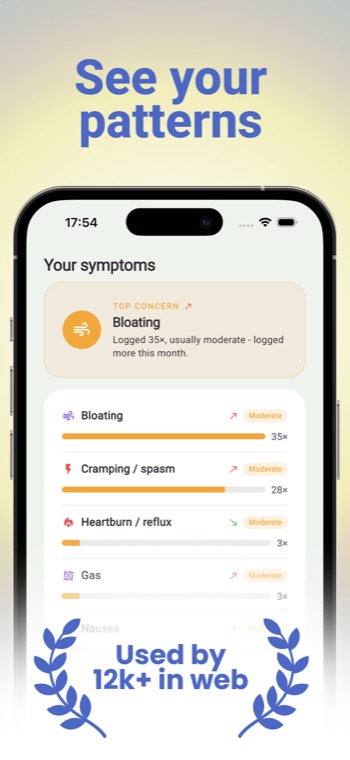
Find your own gut patterns
Belly Care turns a few honest minutes a day into a clear picture of what's linked to how you feel — bloating, IBS, energy and mood.
Download on the App StoreSources
Belly Care helps you observe patterns and build healthy habits — it doesn't diagnose or treat any condition. The patterns it surfaces are starting points to explore, not medical advice. For persistent symptoms, please see a doctor.
Frequently asked questions
Can stress really cause sudden watery diarrhea?
Yes, it can. When you are stressed, your body releases cortisol, which speeds up movement through your gut and can lead to loose, watery stools. Even low-level anxiety, such as a work deadline or a social event, can be enough to trigger it. The gut-brain connection is well recognised, and stress is listed as a common non-infectious cause of sudden diarrhea by sources including Johns Hopkins Medicine and Mayo Clinic. If your diarrhea tends to cluster around stressful days, that is a pattern worth exploring.
How long does stress-related diarrhea usually last?
Stress-related diarrhea typically eases once the stressful situation passes, often within a day or two. Acute diarrhea in general usually resolves within one to two days in otherwise healthy adults, though it can last a few days. If loose stools persist beyond two to three days, or keep coming back regularly, it is worth speaking to a doctor to rule out other causes.
Should I change my diet if I have sudden diarrhea, or is it my habits?
It could be either, and tracking is the best way to find out. During an episode, sticking to bland, easy-to-digest foods like rice, toast, and bananas can help your gut recover. But if sudden diarrhea keeps happening and you have not changed what you eat, your habits around sleep, stress, and routine are worth examining. Logging meals alongside sleep quality, stress levels, and bowel movements for a week often reveals which factor is the real trigger.
How do I know if my diarrhea is from sleep loss or something else?
It is hard to tell from a single episode, which is why tracking over time is so useful. Sleep-related diarrhea often appears the morning after one or more poor nights of sleep, so look for a 12 to 24 hour lag between a bad night and a loose stool the next day. If you notice that pattern repeating, sleep disruption could be a key factor. That said, if diarrhea is frequent, severe, or comes with other symptoms like fever or blood in the stool, please see a doctor rather than assuming it is sleep-related.