The Gut–Brain Axis: How Your Digestion Affects Your Mood
 Belly Care team
22 June 2026
6 min read
Belly Care team
22 June 2026
6 min read

Your gut and your brain are in constant conversation. The gut-brain axis is the two-way biological highway connecting your digestive system to your central nervous system, and it is active every minute of the day, whether you are aware of it or not. Understanding it can genuinely change how you think about bloating, low mood, stress, and digestion.
This is not a metaphor or a wellness buzzword. It is a measurable network of nerves, hormones, immune signals, and microbial chemistry. Research published in Physiological Reviews has been mapping it in detail for years. Here is what the science actually says, and what it means for your everyday gut health.
What is the gut-brain axis?
Think of it as a communication network with several overlapping channels. Your central nervous system (brain and spinal cord) talks to your enteric nervous system, the vast web of nerve cells lining your gut wall, sometimes called the "second brain." These two systems swap signals constantly via the vagus nerve, hormones, immune messengers called cytokines, and compounds produced by your gut bacteria.
The network also includes your stress-response system, the hypothalamic-pituitary-adrenal (HPA) axis, which means your gut is wired directly into how your body handles pressure and anxiety. Information flows in both directions, all the time.
How your gut talks to your brain
The vagus nerve is the main cable in this system. It runs from your brainstem all the way down to your abdomen, and roughly 80% of its fibres carry signals upward, from gut to brain. Your digestive system is therefore constantly reporting back, sending updates on fullness, discomfort, and inflammation.
Your gut bacteria are also quietly shaping your mood. Around 90% of the body's serotonin is produced in the gut, not the brain, and your microbiome plays a direct role in that production. Gut bacteria also influence GABA (a calming neurotransmitter) and dopamine pathways, which is why researchers studying mood and mental health are paying close attention to what lives in your digestive tract.
Beyond neurotransmitters, gut bacteria release short-chain fatty acids (SCFAs) and other metabolites that affect inflammation and your body's stress response. A 2025 review in Nature Scientific Reports highlighted these microbial metabolites, including tryptophan derivatives, as key players in the gut-brain connection and its links to depression and anxiety.

How your brain talks to your gut
The conversation runs the other way just as powerfully. When you are stressed or anxious, your brain sends signals that directly alter gut motility, stomach acid production, and enzyme release. That is why a big presentation or a difficult conversation can trigger cramping, urgency, or bloating within minutes.
Chronic stress does something more lasting. Over weeks, it can reshape your microbiome composition, reducing the diversity of beneficial bacteria and potentially increasing gut permeability. Cleveland Clinic's overview of the gut-brain connection explains this clearly if you want a readable starting point.
Your nervous system also controls how quickly food moves through your digestive tract. Anxiety can speed things up (loose stools before a stressful event) or slow them right down (stress-related constipation is very real). Neither is a sign something is broken. It is your nervous system doing exactly what it is designed to do under perceived threat.

Patterns to explore: mood, stress, and digestion
One of the most consistent findings in gut-brain research is the overlap between IBS and mental health. Studies suggest that up to 40% of people with IBS also experience anxiety or depression. That is not coincidence. It reflects how deeply the two systems are intertwined.
Many people notice that gut symptoms flare during stressful periods and ease when life calms down. Some find that managing anxiety, through therapy, breathing practices, or lifestyle changes, has a meaningful knock-on effect on their digestion. Researchers are actively exploring how targeting the gut-brain axis could unlock new treatments for both IBS and mood disorders.
Sleep, regular movement, and social connection all influence both mood and gut health, often in ways that are hard to untangle. That is actually useful, because small positive changes in one area can ripple outward. Tracking your mood alongside your meals and symptoms in Belly Care can start to reveal your own personal patterns, things no generic advice can tell you.
Practical ways to support your gut-brain connection
Eat slowly and mindfully
Rushing meals is one of the most underrated gut stressors. When you eat quickly, you swallow more air, produce less saliva, and give your nervous system no time to shift into the relaxed state that supports digestion. Slowing down, even by five minutes, signals safety to your body and can reduce bloating noticeably.
Feed your microbiome well
Fibre is the main fuel for beneficial gut bacteria, and diversity matters. Aim for a wide range of plant foods across the week: vegetables, legumes, wholegrains, nuts, and seeds. Fermented foods like yogurt, kefir, and kimchi may also help. Stanford Medicine's research on the gut-brain connection highlights how diet and microbiome diversity are increasingly linked to conditions ranging from anxiety to long COVID.
If you are not sure where to start with fibre, or you are navigating IBS where some high-fibre foods cause symptoms, exploring fibre and FODMAP patterns with a registered dietitian can help you find the approach that works for your gut specifically.
Move your body regularly
Exercise is one of the most reliable ways to calm the nervous system and support gut motility. You do not need intense workouts. A 20 to 30 minute walk has measurable effects on both stress hormones and digestive function. Consistency matters more than intensity.
Work with your stress, not against it
You cannot eliminate stress, but you can change how your nervous system responds to it. Slow diaphragmatic breathing directly stimulates the vagus nerve and can shift your body out of fight-or-flight mode. Even a few minutes before meals may help digestion. Time outdoors, meditation, and social connection all have evidence behind them too.
Log your mood alongside your symptoms
This is one of the most practical things you can do. Gut-brain patterns are personal. What triggers one person's bloating will not affect another's. Belly Care's mood and symptom tracking is designed exactly for this, helping you spot whether gut flares tend to follow stressful days, poor sleep, or particular foods, so you can take targeted action rather than guessing.
Why this matters for bloating and IBS
Bloating is rarely just about food. Anxiety tightens the muscles around your gut, alters gas movement, and heightens your sensitivity to normal digestive sensations. That is why the same meal can feel fine on a calm day and uncomfortable when you are stressed or rushing.
For people with IBS, the gut-brain connection is especially relevant. Emerging research on the gut microbiota-immune-brain axis suggests that the nervous system's heightened sensitivity in IBS is partly driven by microbial and immune signalling, not just gut structure. Understanding this shifts the focus from "what did I eat?" to a broader picture that includes stress, sleep, and nervous system state.
Small changes in eating pace, stress management, and sleep can shift digestion in ways that feel surprisingly significant. You do not need to overhaul everything at once. Start with one thing, notice what happens, and build from there.
If you are experiencing persistent gut symptoms, significant changes in bowel habits, or symptoms that are affecting your quality of life, please speak to your doctor or a registered dietitian. The patterns above are worth exploring, but they are not a substitute for professional assessment.

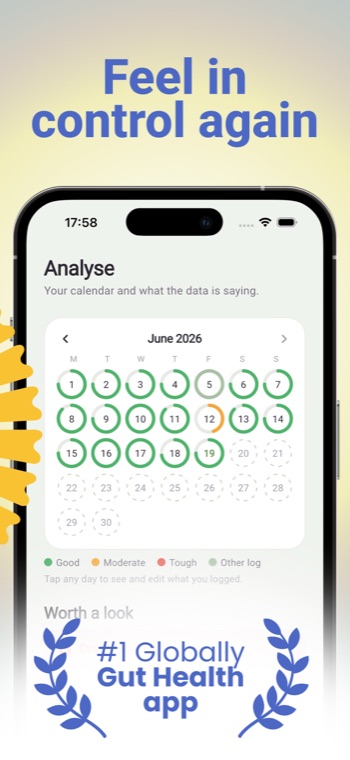
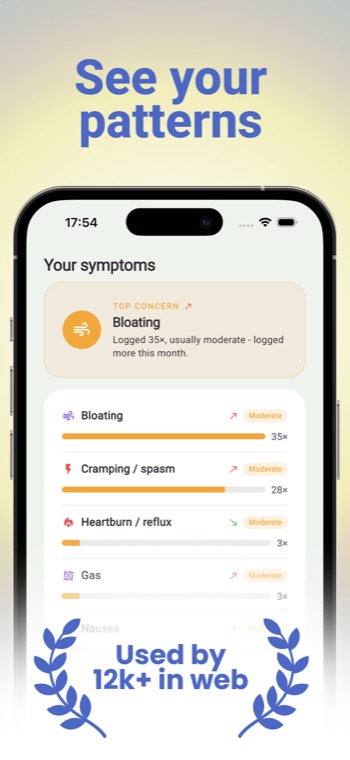
Find your own gut patterns
Belly Care turns a few honest minutes a day into a clear picture of what's linked to how you feel — bloating, IBS, energy and mood.
Download on the App StoreSources
- Microbiota-gut-brain axis - Physiological Reviews (2018)
- Gut-brain axis and neuropsychiatric health - Nature Scientific Reports (2025)
- Gut microbiota, mood and mental health - PMC (2019)
- Follow your gut: gut-brain axis research and new therapies - AAMC
- Gut-brain connection: long COVID, anxiety, Parkinson's - Stanford Medicine (2025)
- Gut microbiota-immune-brain axis and anxiety - ScienceDirect (2025)
- The gut-brain connection - Cleveland Clinic
Belly Care helps you observe patterns and build healthy habits — it doesn't diagnose or treat any condition. The patterns it surfaces are starting points to explore, not medical advice. For persistent symptoms, please see a doctor.
Frequently asked questions
Can stress really cause bloating and constipation?
Yes, and the biology is well established. When you are stressed or anxious, your brain sends signals via the autonomic nervous system that directly alter gut motility, stomach acid production, and muscle tension around the digestive tract. This can speed digestion up, causing urgency or loose stools, or slow it right down, causing constipation and bloating. Anxiety also heightens your sensitivity to normal gut sensations, so things that would not usually register can feel uncomfortable. It is not all in your head. It is a real physiological response.
How long does it take to see changes if I manage my stress better?
Some people notice a difference in gut symptoms within days of reducing acute stress, particularly with bloating or urgency that is closely tied to the nervous system. Deeper changes to microbiome composition take longer. Research suggests meaningful shifts can occur over several weeks of consistent dietary or lifestyle change. There is no single timeline, because it depends on your starting point, what is driving your symptoms, and which changes you make. Tracking your mood and symptoms together over a few weeks can help you spot your own patterns.
What is the link between my gut bacteria and my mood?
Your gut bacteria produce and influence several neurotransmitters, including serotonin, GABA, and dopamine, that play a direct role in mood regulation. Around 90% of the body's serotonin is made in the gut, not the brain. Gut microbes also release compounds called short-chain fatty acids that affect inflammation and the stress response. Research in this area is genuinely exciting, but it is worth knowing that much of the strongest evidence still comes from animal studies. Human trials of probiotics for mood show modest, promising results, but the science is not yet at the point of firm clinical recommendations.
How can I use the gut-brain axis to manage my IBS?
Understanding the gut-brain connection means looking beyond food triggers alone. For IBS, stress management, sleep quality, and eating pace are all worth addressing alongside diet. Practical starting points include eating slowly and without distraction, trying diaphragmatic breathing before meals to calm the nervous system, and noticing whether symptom flares tend to follow stressful periods. Gut-directed hypnotherapy and cognitive behavioural therapy also have a reasonable evidence base for IBS specifically. Tracking your mood alongside meals and symptoms can help you identify your personal triggers. If symptoms are persistent or severe, a gastroenterologist or registered dietitian can help you build a targeted plan.